Sagging Floor Repair in Wilmington, NC
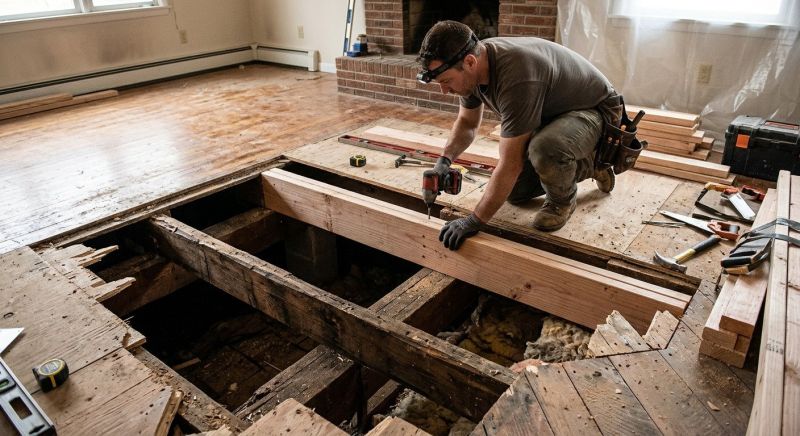
Sagging floor repair services address issues where the flooring in a home or property has become uneven or dips below its original level. This type of repair typically involves identifying the underlying causes, such as weakened joists, damaged supports, or shifting foundations, and then restoring the floor's stability and levelness. Projects can range from fixing isolated sections of a single room to comprehensive repairs across multiple areas, especially in basements, crawl spaces, or areas affected by moisture or settling.
Property owners interested in sagging floor repair usually want to understand the root cause of the problem and the scope of the necessary work. It’s important to consider whether the issue is localized or widespread, and to evaluate the condition of supporting structures. Clarifying these details can help determine the most effective approach to restore safety and stability, ensuring the floor remains level and secure for everyday use.
Many property owners in Wilmington, NC look into Sagging Floor Repair for repairs, replacements, upgrades, and appearance-related improvements.
Signs Of A Sagging Floor
Uneven surfaces, creaking sounds, and noticeable dips can indicate a sagging floor that needs attention.
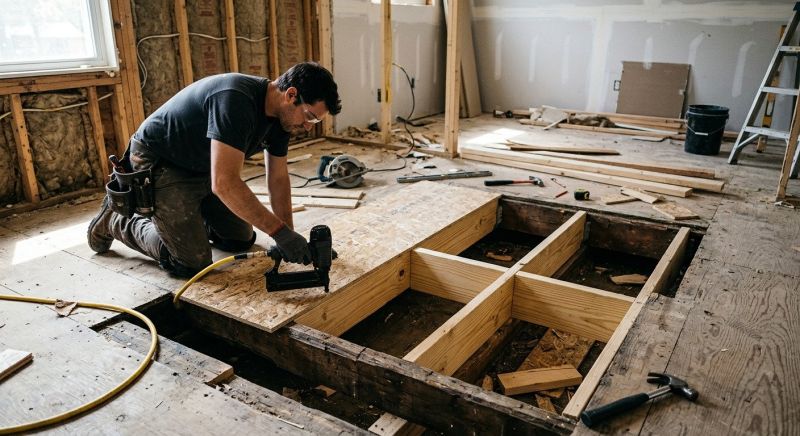
Common Causes Of Floor Sagging
Structural issues, water damage, or aging support beams often lead to floors that sag over time.
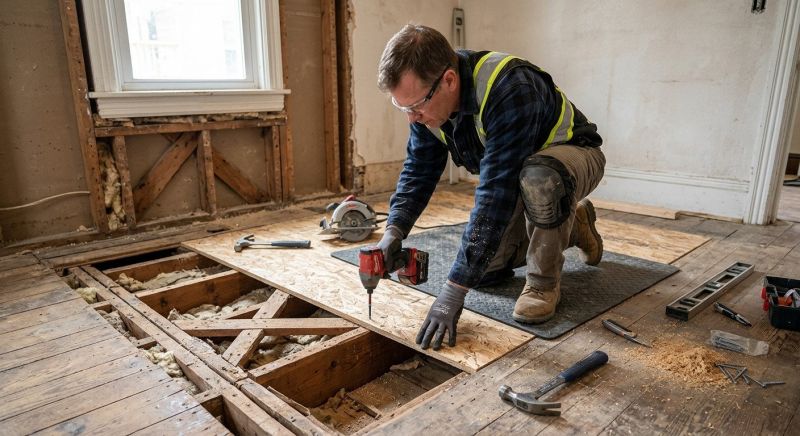
Repair Solutions For Sagging Floors
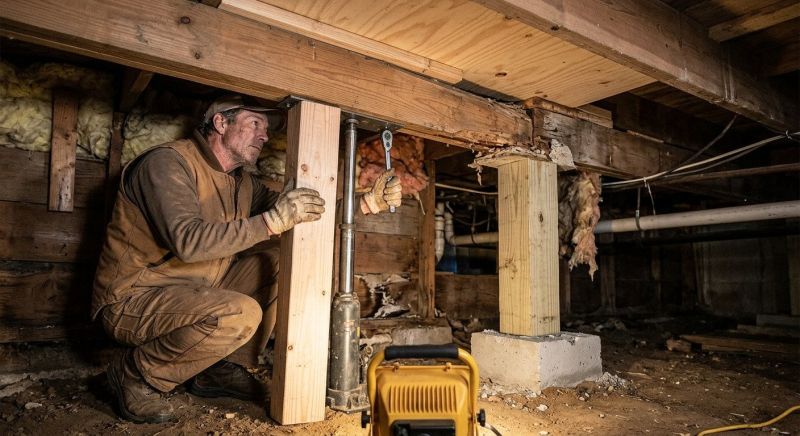
Reinforcing support beams, adding new joists, or sistering existing ones are typical methods to restore stability.
Sagging Floor Repair in Wilmington, NC
Sagging floor repair services address issues where the flooring in a home or property has become uneven or dips below its original level. This type of repair typically involves identifying the underlying causes, such as weakened joists, damaged supports, or shifting foundations, and then restoring the floor's stability and levelness. Projects can range from fixing isolated sections of a single room to comprehensive repairs across multiple areas, especially in basements, crawl spaces, or areas affected by moisture or settling.
Property owners interested in sagging floor repair usually want to understand the root cause of the problem and the scope of the necessary work. It’s important to consider whether the issue is localized or widespread, and to evaluate the condition of supporting structures. Clarifying these details can help determine the most effective approach to restore safety and stability, ensuring the floor remains level and secure for everyday use.
Many property owners in Wilmington, NC look into Sagging Floor Repair for repairs, replacements, upgrades, and appearance-related improvements.
Common Sagging Floor Repair Jobs
Floor leveling - addressing uneven surfaces caused by foundation settling or shifting.
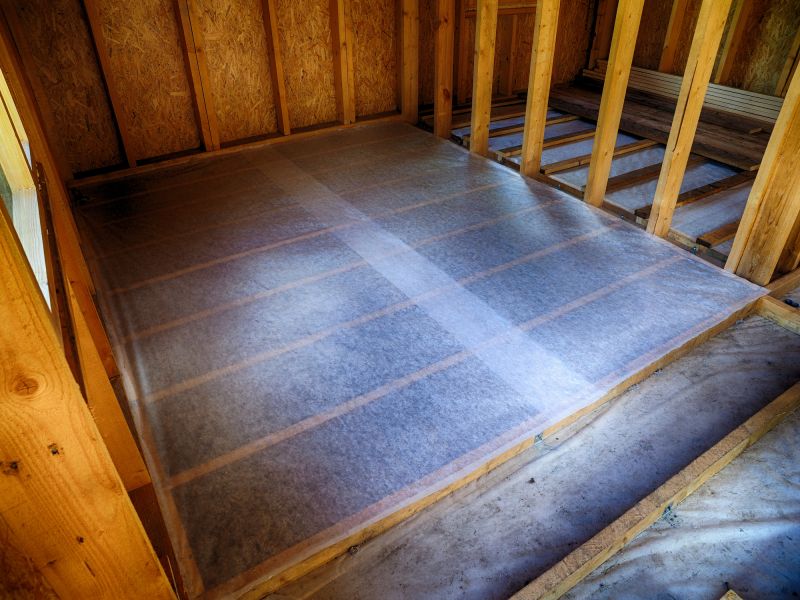
Subfloor stabilization - reinforcing weakened or sagging subfloors to restore stability.
Joist repair - replacing or reinforcing damaged floor joists to prevent further sagging.
Support beam installation - adding support beams to evenly distribute weight and lift sagging floors.
Foundation assessment - evaluating underlying foundation issues contributing to floor sagging.
Structural reinforcement - strengthening the floor structure to prevent future sagging and maintain safety.
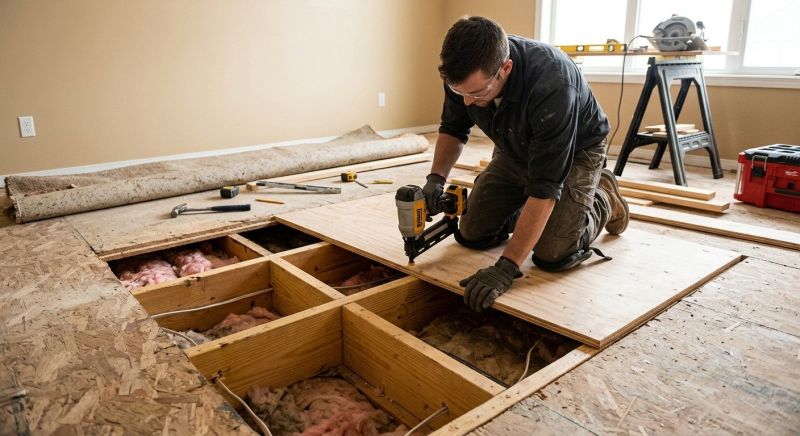
Sagging Floor Repair Questions
What causes a floor to sag? Sagging floors often result from foundation settling, rotting joists, or moisture damage affecting support structures.
How can sagging floors be fixed? Repairs typically involve reinforcing or replacing damaged joists, adding support beams, or addressing underlying foundation issues.
Are sagging floors a safety concern? Yes, severely sagging floors can pose safety risks and may lead to further structural problems if not addressed.
What signs indicate a need for repair? Visible dips, uneven flooring, cracking walls, or doors and windows that stick can signal the need for sagging floor repairs.
Request Sagging Floor Repair in Wilmington, NC
Use the quote form on this page to share the basics of your project and request more information for the type of work you need.